
Misono Best Sellers
Top-rated Misono gyuto, santoku and petty knives chosen by professional cooks and home chefs alike.
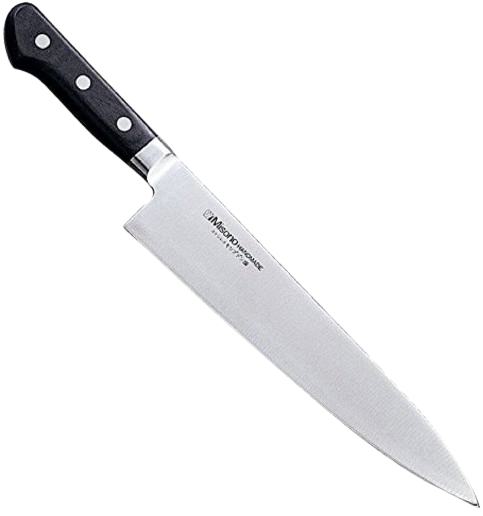
Chef’s Knife 8 Inch
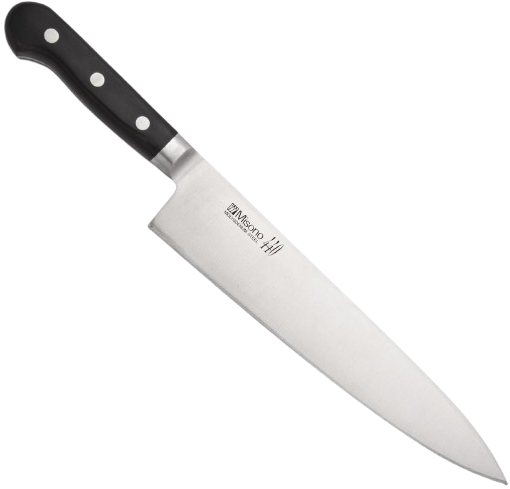
440 Molybdenum Gyutou Knife
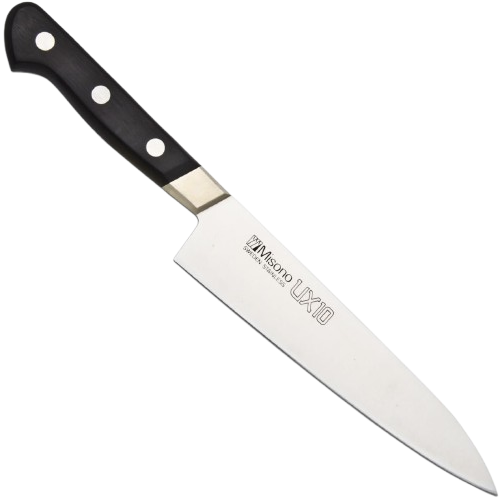
UX10 Gyutou Knife
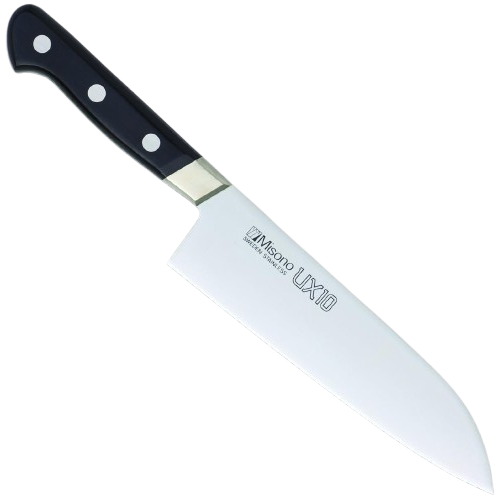
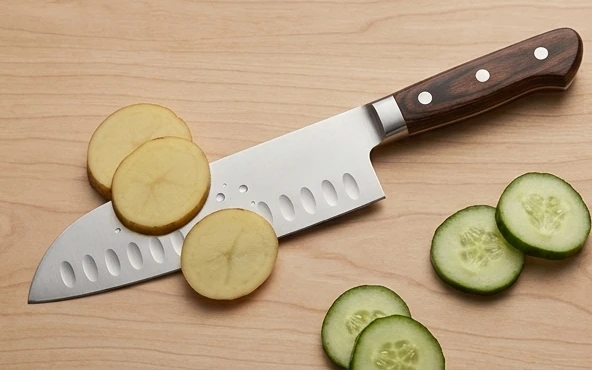
UX10 Santoku Knife
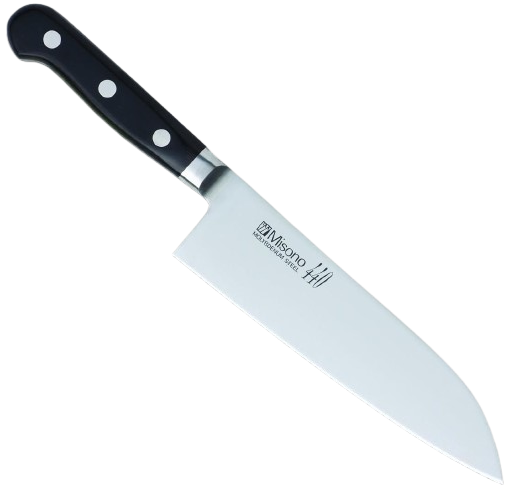
440 Stainless Molybdenum Santoku
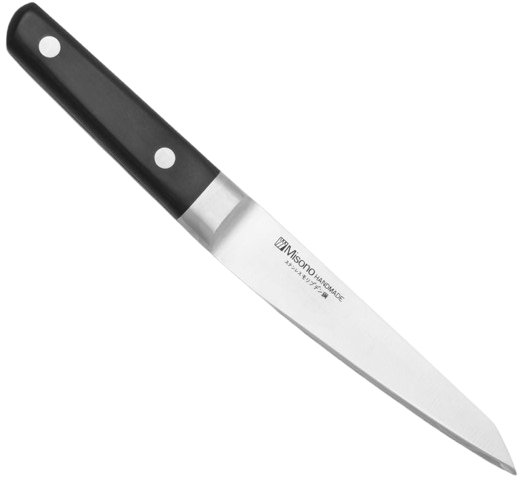
Molybdenum Boning Knife Round
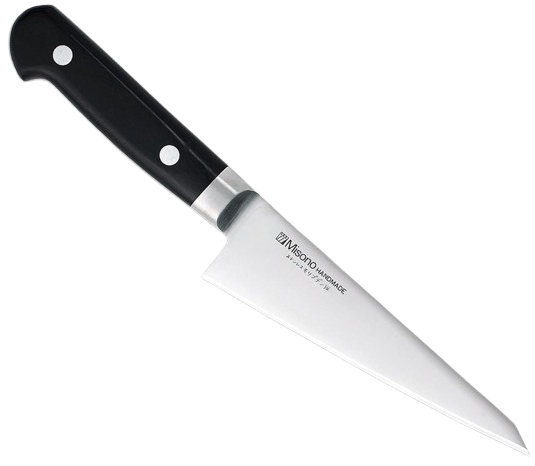
Molybdenum Boning Knife Square
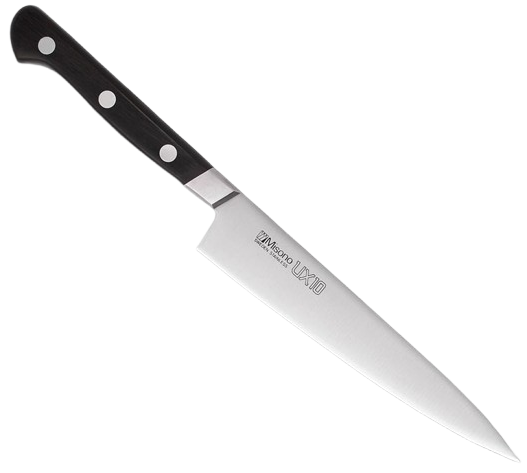
UX10 Petty Knife
Why Choose Misono
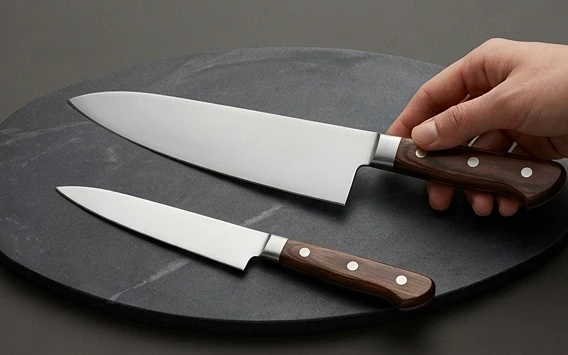
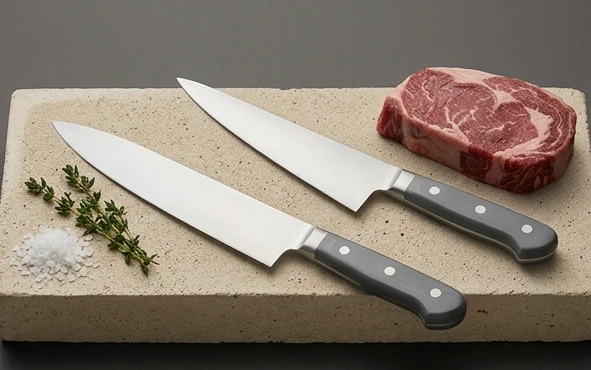
Seki craftsmanship, pure Swedish steel and hand-finished edges in a Western-handled chef knife.
Swedish Steel
UX10 blades use high-purity Swedish stainless heat-treated to 59-60 HRC, giving carbon-like hardness with strong rust resistance.
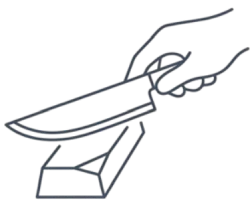
Hand-Finished Edges
Each blade is ground and honed by hand on water stones, then inspected before leaving the workshop for a clean, razor-sharp bite.
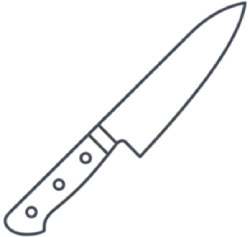
Western Handle
Balanced pakkawood handles with a nickel-silver bolster feel secure and natural during long prep sessions.
About Misono
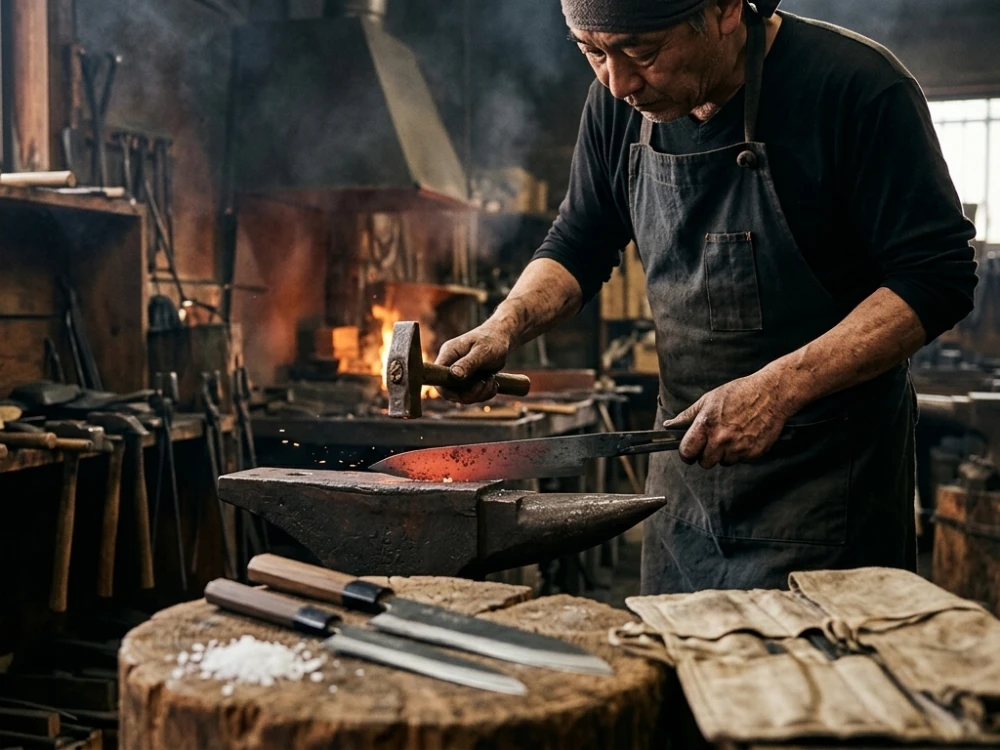
Misono was founded in 1935 in Seki, Gifu Prefecture, a city with roughly 800 years of blade-making tradition. The family-run company began by producing blades for vegetable peelers.
Production of its own kitchen knives began in the late 1960s. Today Misono is regarded as Japan’s oldest Western-style knife maker, with about fifty workers producing around 150,000 knives a year.
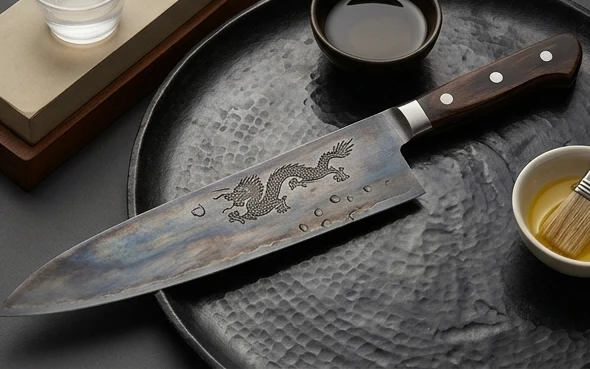
Forging, grinding, heat treatment and hand sharpening all take place in house. The range spans the UX10 Swedish stainless series and the forged EU Carbon line, both trusted in professional kitchens.
Join the Misono Newsletter
Get news on restocks, new arrivals and sharpening tips for Japanese kitchen knives.
More Misono Knives
Explore petty, honesuki, fruit knives and other Seki-made blades beyond the best sellers.
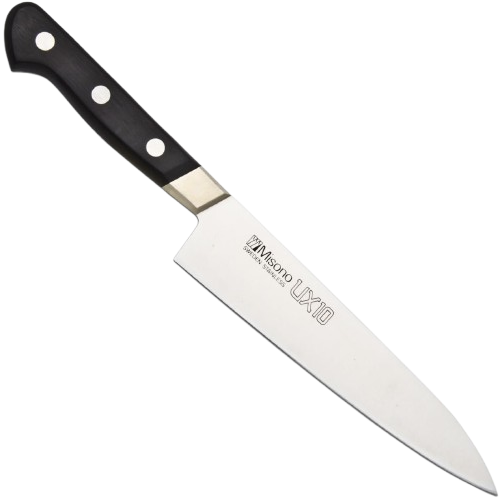
UX10 Gyutou 24cm Knife
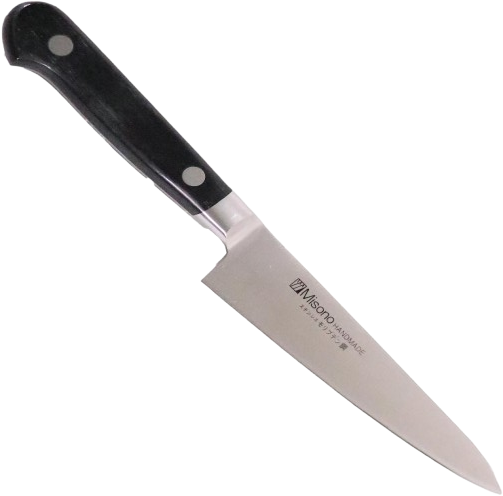
Molybdenum Petty Knife
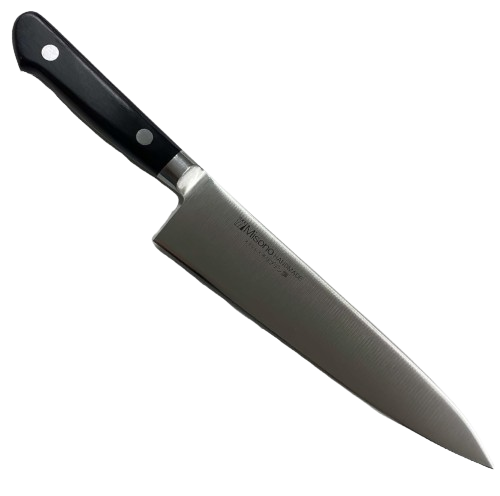
Molybdenum Steel Gyu Knife
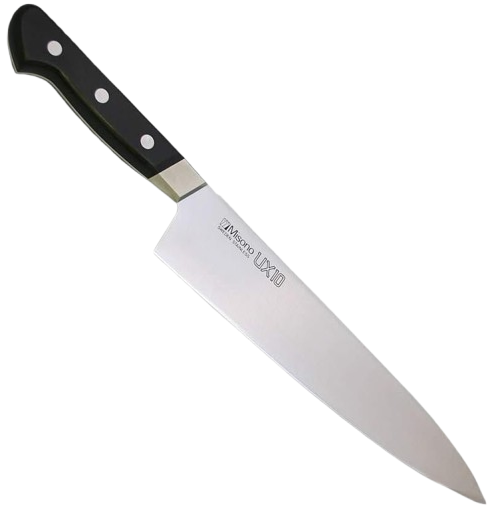
UX10 Chef’s Knife
Misono Knives FAQ
Answers to common questions about Misono steel, care and choosing the right knife.
Misono knives are made in Seki City, Gifu Prefecture, Japan, a town known for sword-making for about 800 years. The brand produces its knives in house.
UX10 is the flagship line, made from high-purity Swedish stainless steel heat-treated to 59-60 HRC. It combines carbon-like hardness with excellent rust resistance.
UX10 suits cooks who want a low-maintenance stainless edge. EU Carbon is forged from Swedish carbon steel, takes a keen edge and needs drying after use to avoid patina.
Yes. The Western-style handle and familiar profile feel natural for anyone moving up from German knives, while the thin blade delivers noticeably cleaner cuts.
Hand wash with mild soap, dry right away and store in a sheath or block. Dishwashers can dull the edge and damage the handle.
A 210mm or 240mm gyuto handles meat, fish and vegetables, making it the usual first pick. A 180mm santoku is a compact alternative.
Still Have Questions?
Send a message about Misono sizes, steel types or care and the team will reply.
What Cooks Say About Misono
Real feedback from chefs and home cooks who use Misono knives every day.

The Western handle is easy to hold, and the blade is thin and super sharp. Exactly what was hoped for.
Daniel R.

Misono UX10 is really good stuff for pro chefs. A great knife for cutting thin, highly recommended.
Michael T.

Rust resistant, razor sharp and well balanced. The UX10 gyuto is a fine everyday kitchen knife.